39 things worth the drive
Things to do
Madeira's trails are numbered — PR1, PR6, PR8 — and several now need a paid permit booked before you walk. Every entry here carries the rule as published, the date we read it, and the reason you might hate it.
Culture, markets and the wine
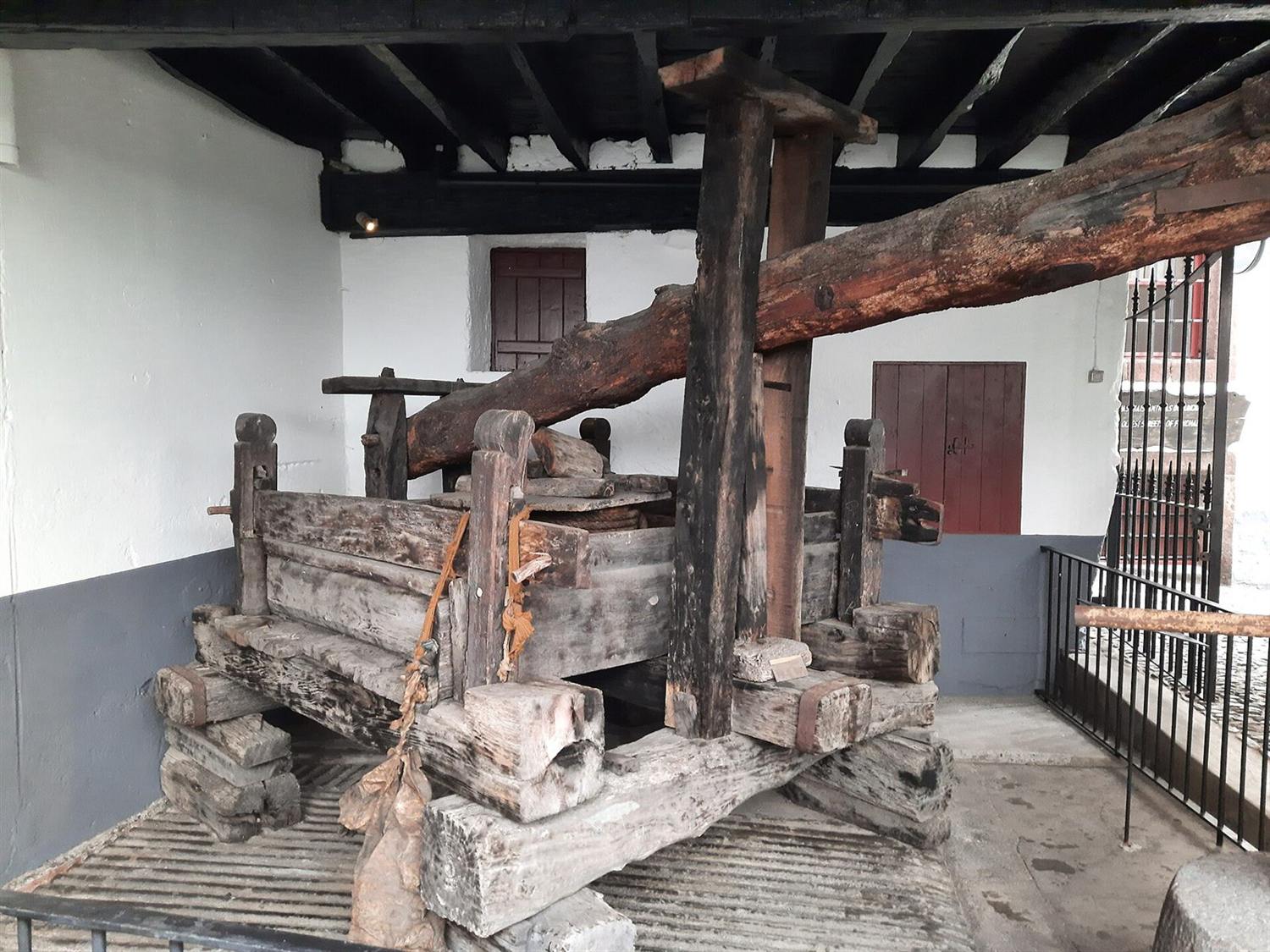
Blandy's Wine Lodge
The Madeira Wine Company’s lodge in central Funchal, with guided tours of the cooperage and ageing vats ending in a tasting.
The most expensive tour is priced per person and needs a group of two to four, so a couple booking it are paying twice, not splitting it. That is stated on the operator’s page and misread constantly.
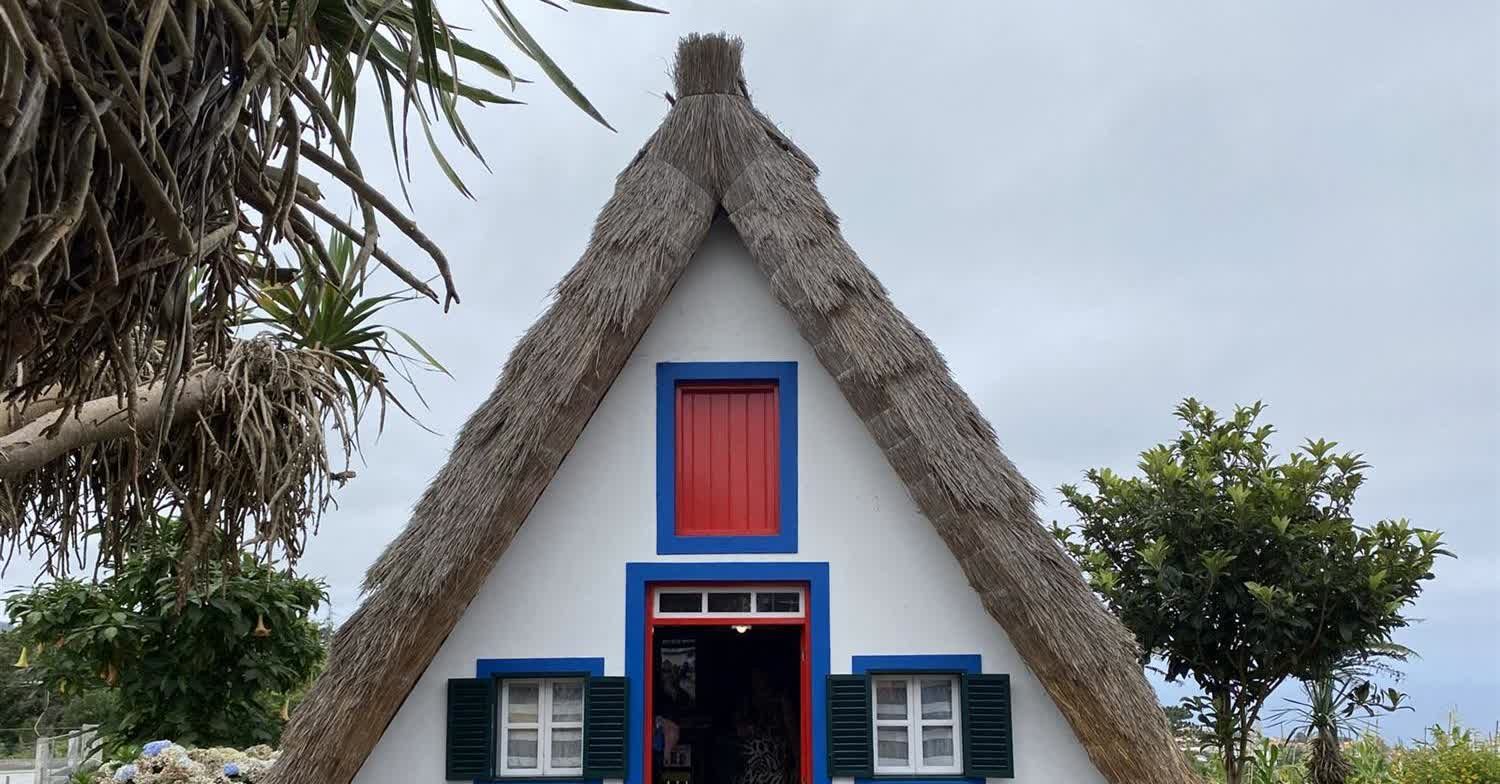
Casas Típicas de Santana
Small triangular thatched houses built of timber with steeply pitched straw roofs, in blue, red and white.
The houses at the roadside centre are a preserved display rather than lived-in dwellings, and the whole stop is over in about twenty minutes. Driving to Santana for this alone is a long way for a short look; it works as an add-on to Queimadas or PR9, not as a destination.
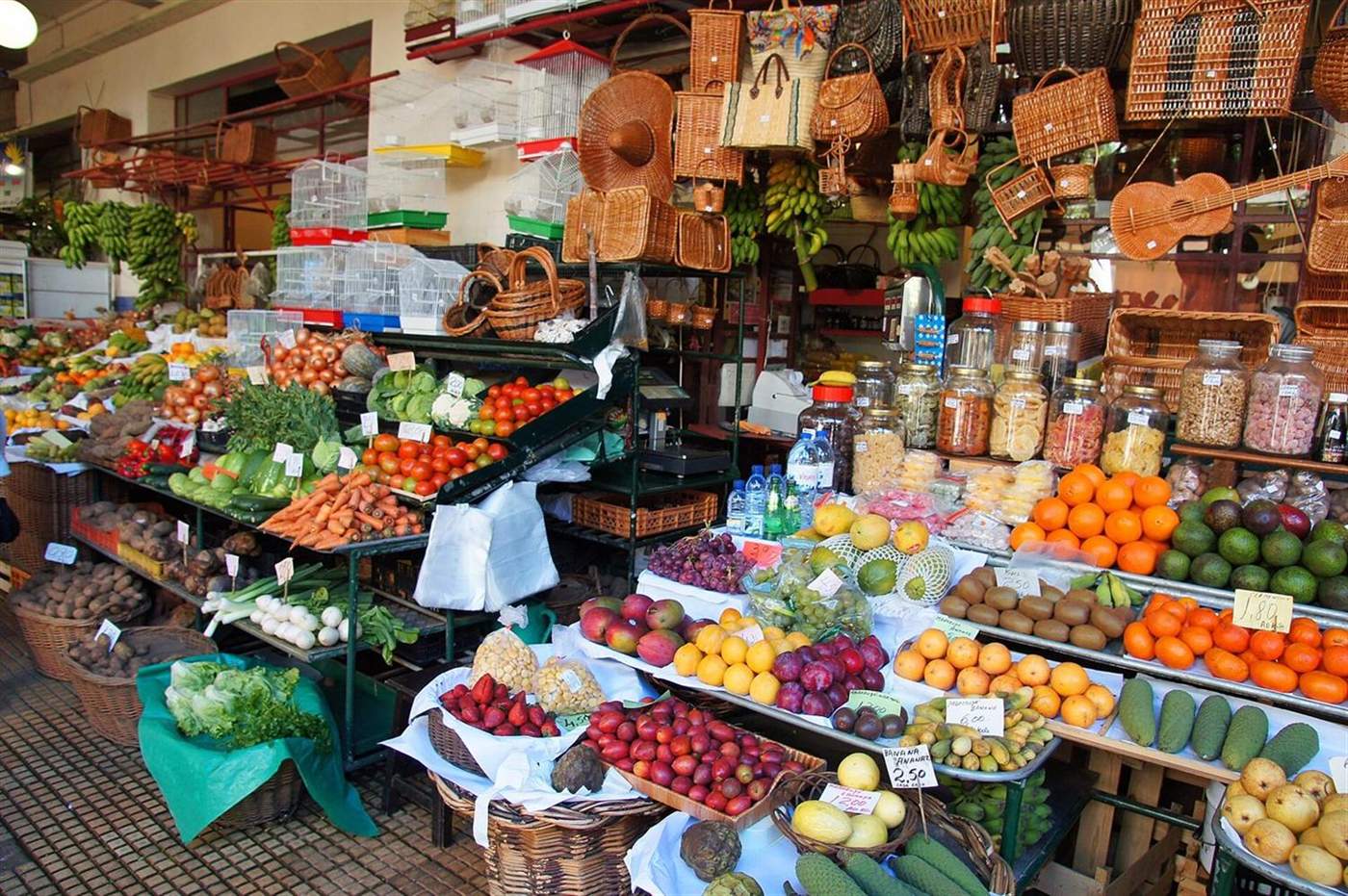
Mercado dos Lavradores
Funchal’s central covered market, with Estado Novo architecture, 1940 tile panels and the city’s main fish, fruit and flower trade.
Aggressive sampling and steep prices for cut fruit from some of the upstairs stalls are a long-standing complaint. Agreeing the price before accepting anything is the whole defence. The market also closes at 14:00 on Saturday and all day Sunday, which catches out weekend visitors.
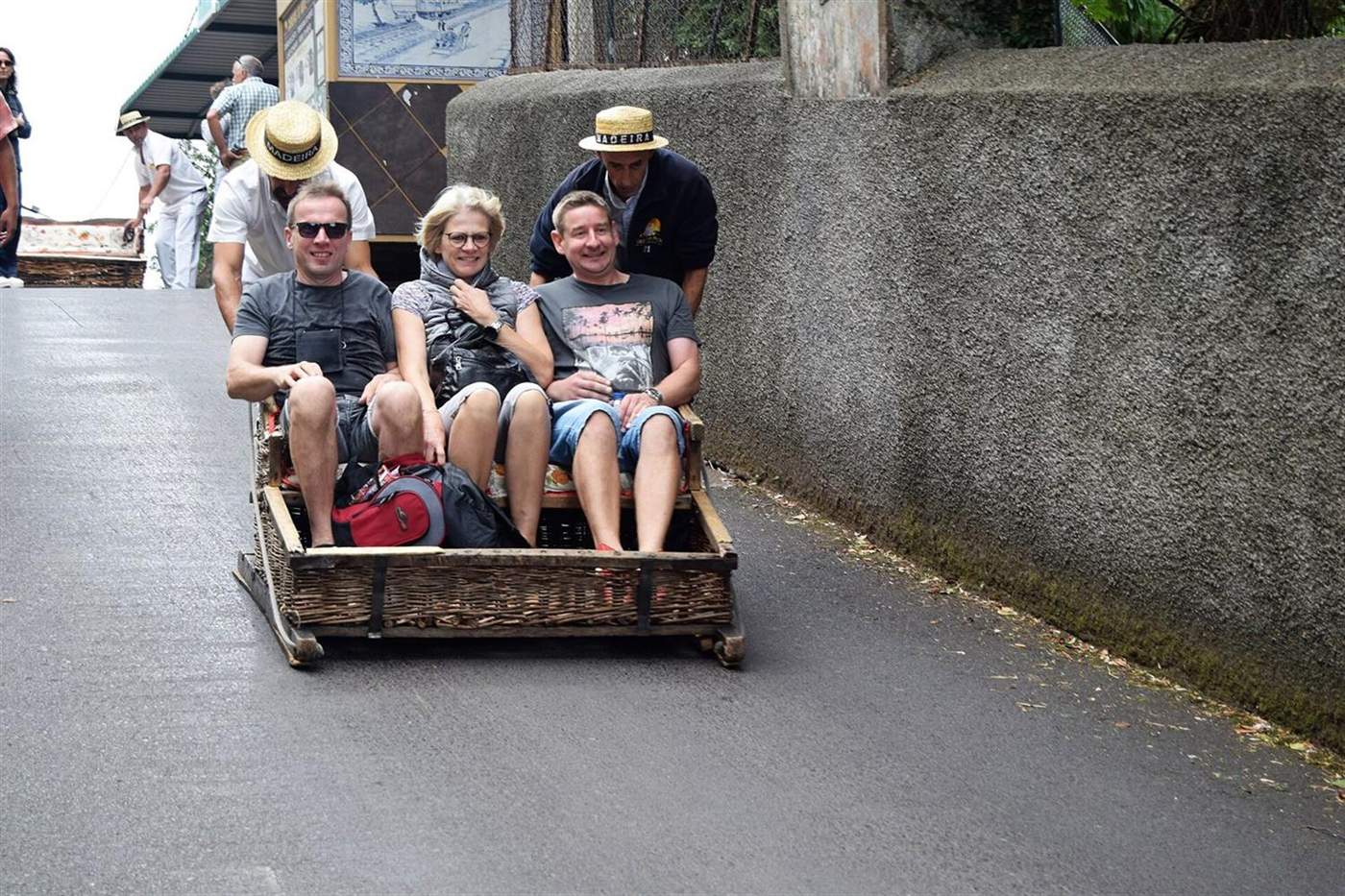
Carros de Cesto do Monte
Wicker basket sledges on wooden runners, steered down the street from Monte by two drivers in white uniforms and straw hats.
Closed on Sundays, which is the single most common trip-planning mistake on the island. The run ends at Livramento rather than in central Funchal, so a taxi or bus is still needed afterwards, and three-person rides are withdrawn in rain or wet conditions.
Viewpoints
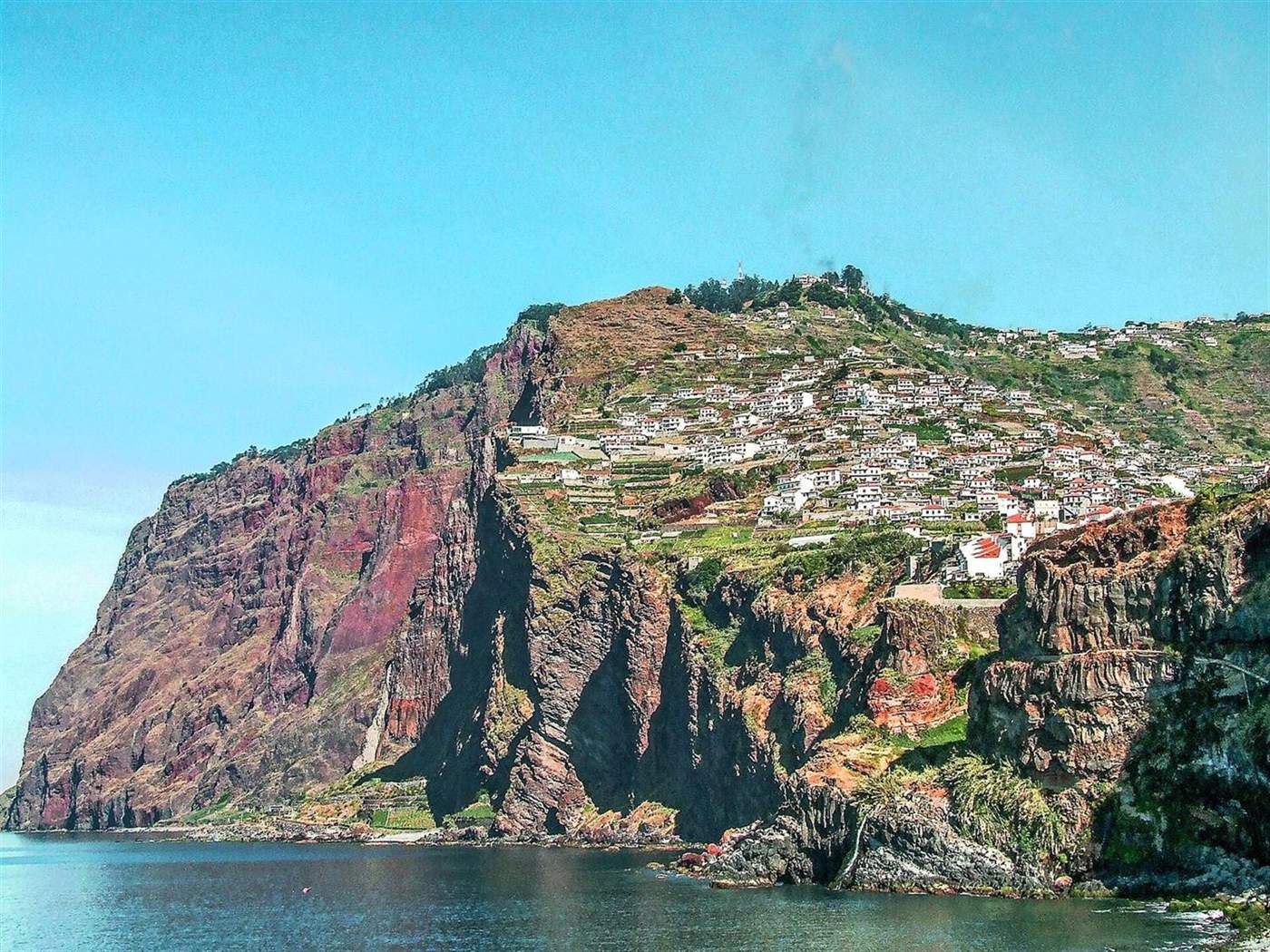
Cabo Girão Skywalk
A suspended glass-floored platform cantilevered over the sea at the top of Cabo Girão.
The glass floor is the entire point and it is genuinely unnerving, which rules it out for anyone with vertigo. Independent guides published in 2026 still quote a lower price than the tourism board does, so check the SIMplifica listing before assuming either figure.
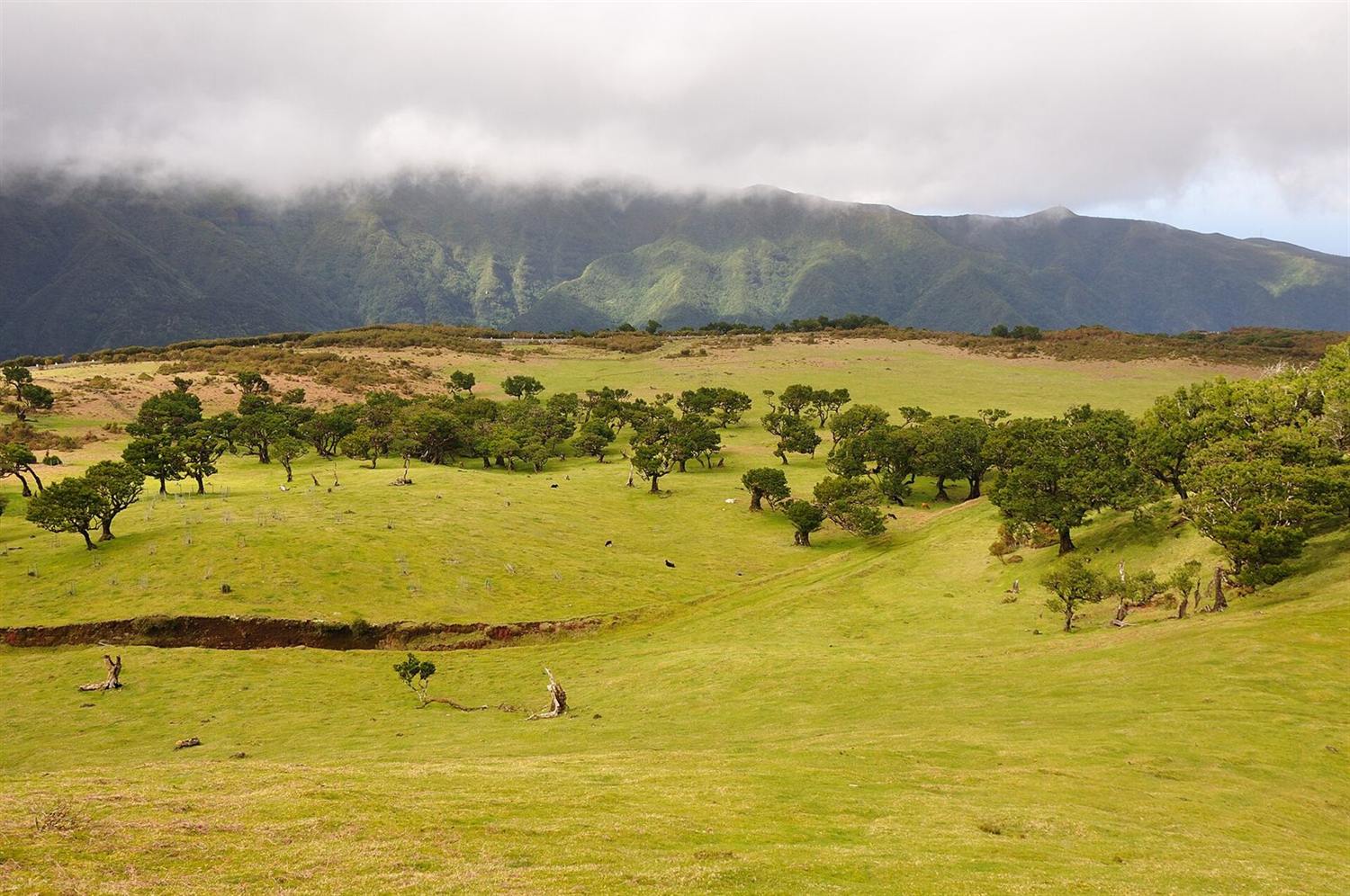
Fanal
A forestry station on the high ground above Ribeira da Janela, famous for a stand of centuries-old til laurel trees.
Every famous photograph of Fanal was taken in fog, and fog on the Paúl da Serra plateau road is a genuine driving hazard rather than an atmospheric detail. On a clear day this is a field with old trees in it, and people who drove across the island for it say so.
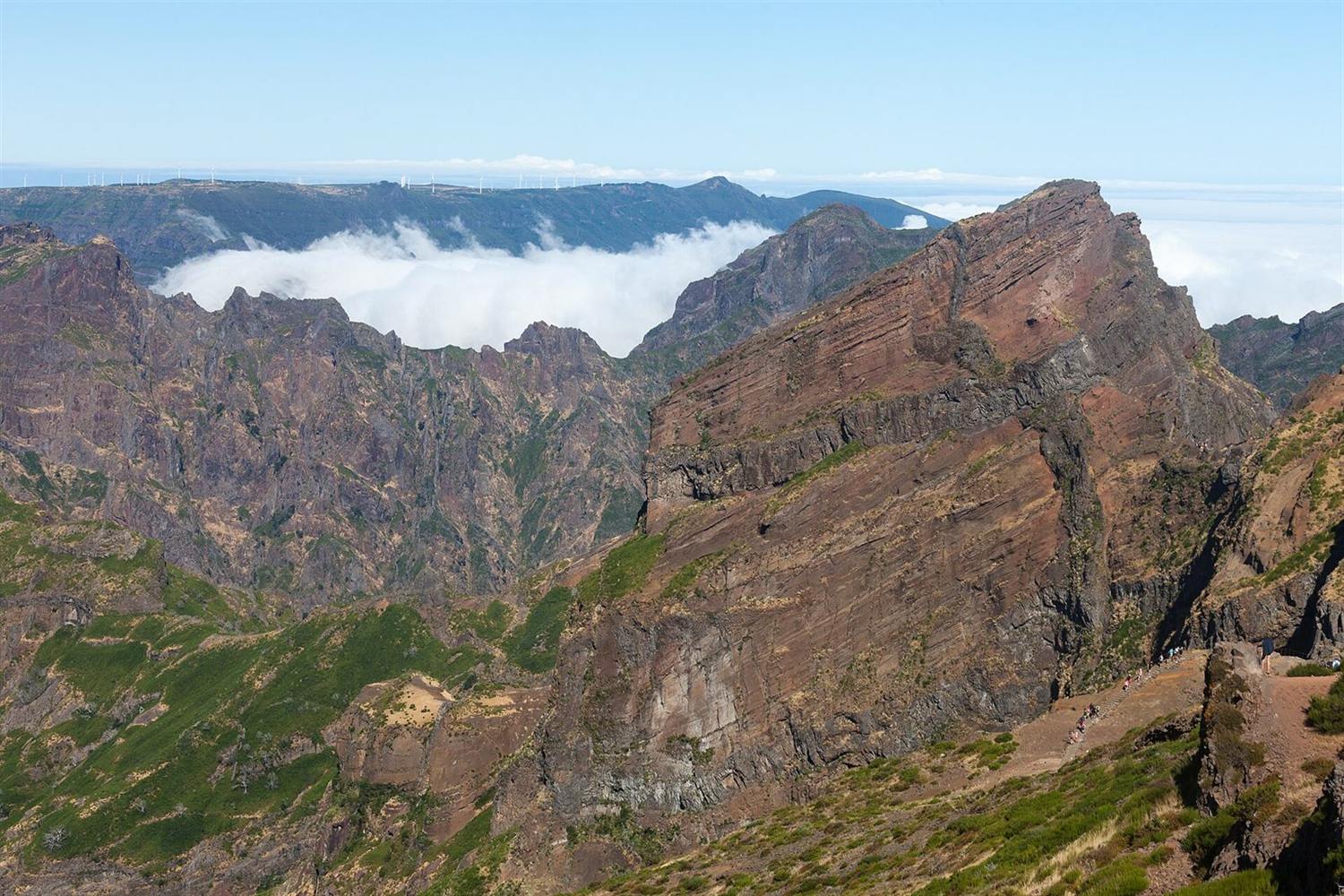
Pico do Areeiro
The third-highest point on Madeira, reachable by road, looking across the central mountain massif.
A summit reachable by car in well under an hour from Funchal is a summit that fills at sunrise, and the car park is not large. It is cold and windy up here in every season, including August, and the view is entirely at the mercy of cloud. Check a webcam before setting an alarm.
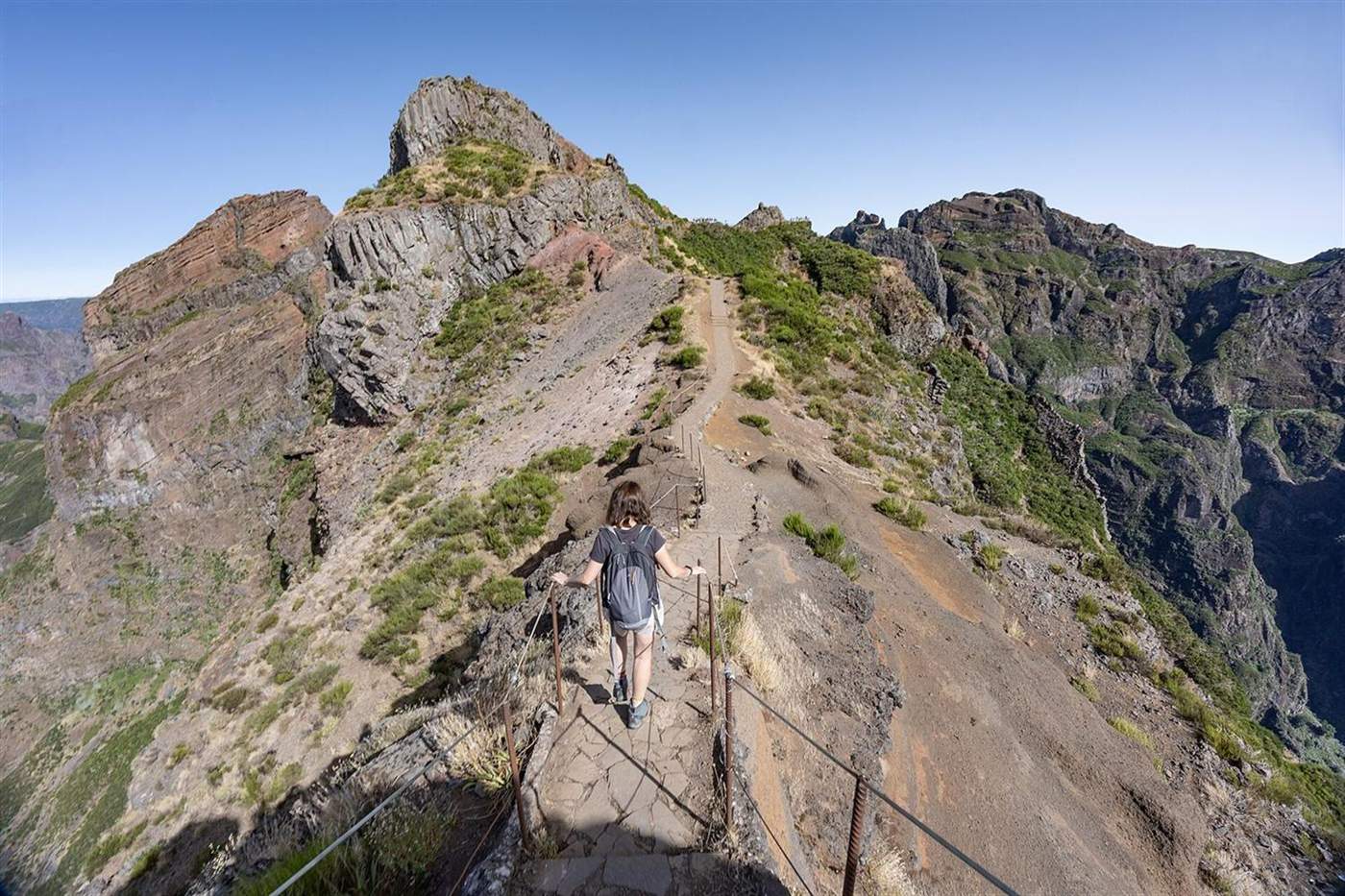
Pico Ruivo
The highest point in the Madeira archipelago, with views over Curral das Freiras, Câmara de Lobos and the northern valleys.
There is no road to the summit and no shortcut to it. On good days the Desertas and Porto Santo are visible; on bad days the reward for the climb is the inside of a cloud, and the fee is not refunded for weather.
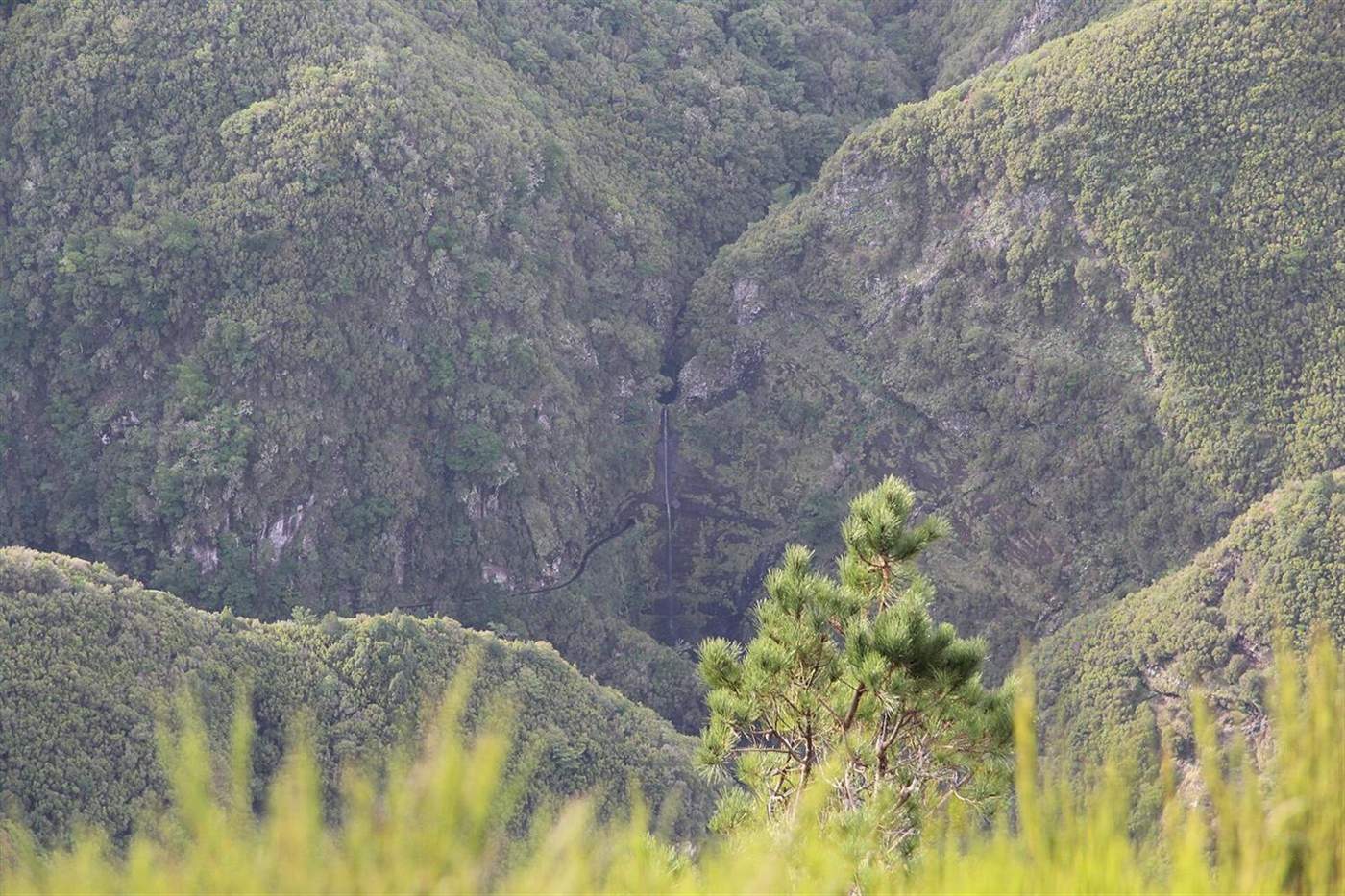
Rabaçal
The trailhead area and viewpoint on the Paúl da Serra plateau, hub for the PR6 family of levada walks.
The road down from ER 105 to the Casa de Abrigo is narrow and restricted, so the choice is to walk down or take the shuttle, and the climb back up comes at the end of the day rather than the start. It is classified as an area of rest and silence, which the volume of visitors on the 25 Fontes trail does not reflect.
Villages worth a day
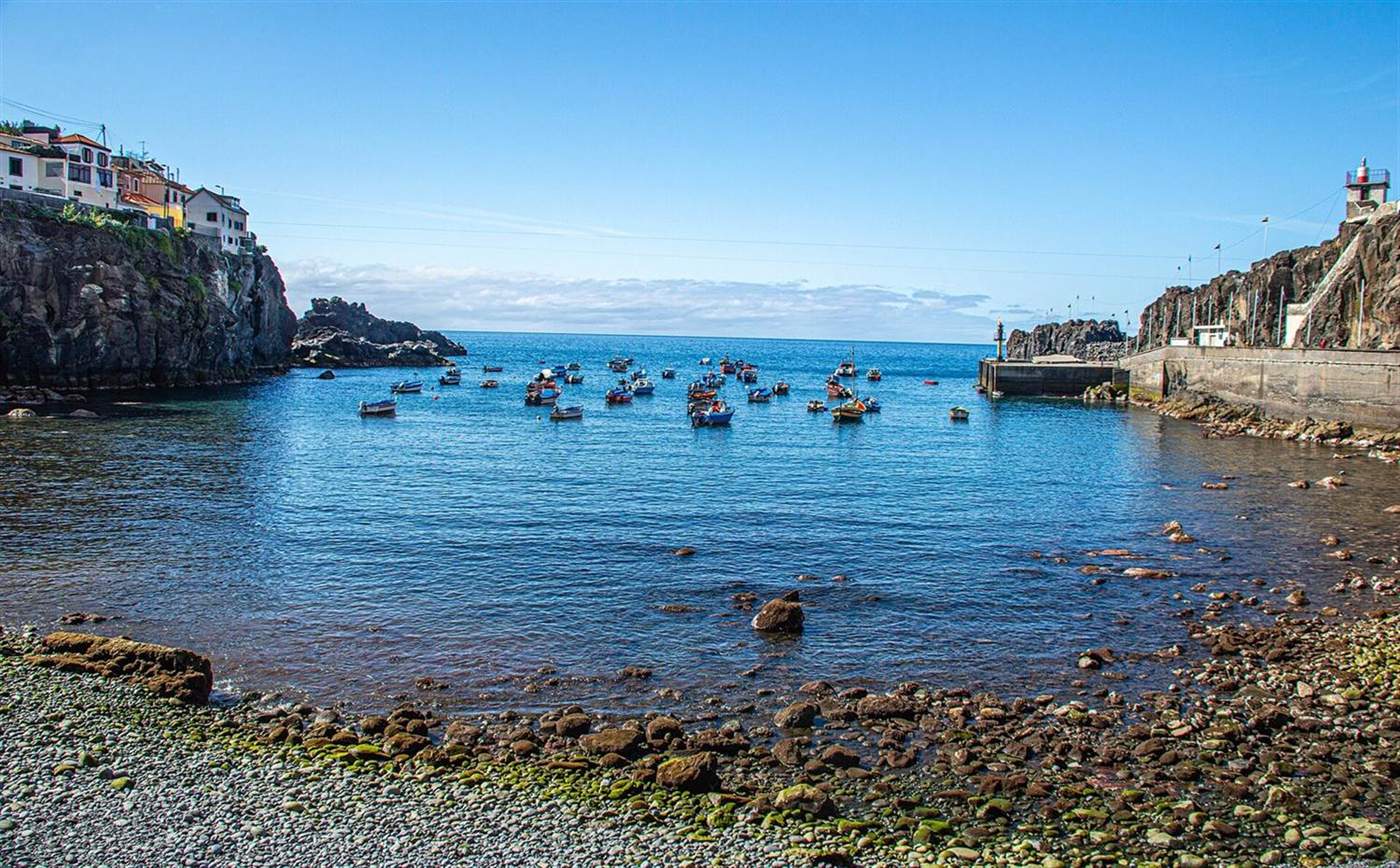
Câmara de Lobos
A working fishing town west of Funchal, the first place settled on Madeira, known for its bay of painted xavelhas fishing boats.
It is still a real fishing harbour rather than a preserved set piece, which means parts of it are workaday and slightly scruffy. That is the appeal for some visitors and a disappointment for others expecting the version in the paintings.
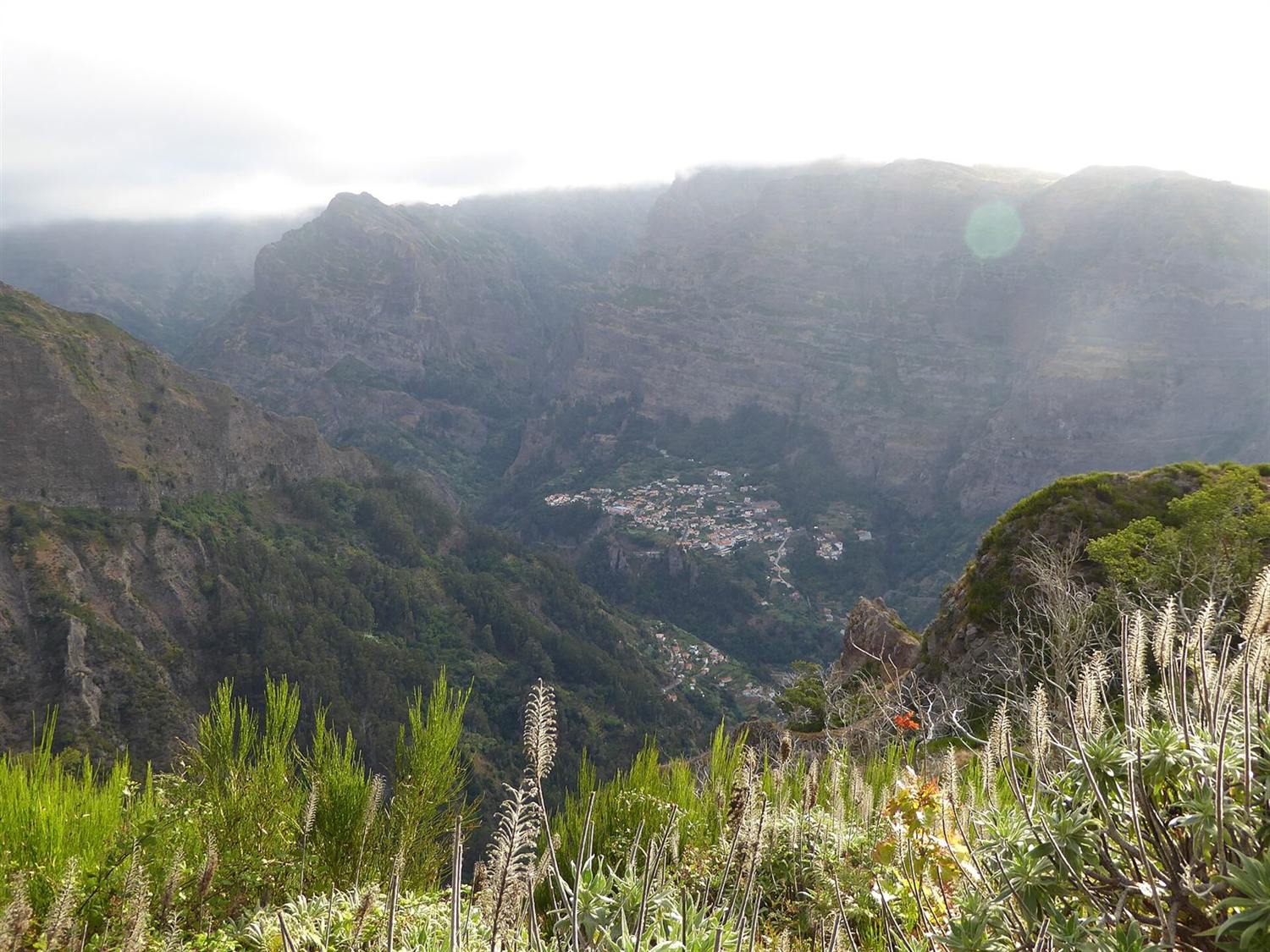
Curral das Freiras
A parish set in a deep bowl of a valley ringed by mountain peaks, invisible from the sea.
The view everyone photographs is from the Eira do Serrado viewpoint high above, not from the valley floor, so arriving in the village is not the same as seeing the thing. The access road is steep and tightly wound, and it is not a road to hurry.
Boats and tours
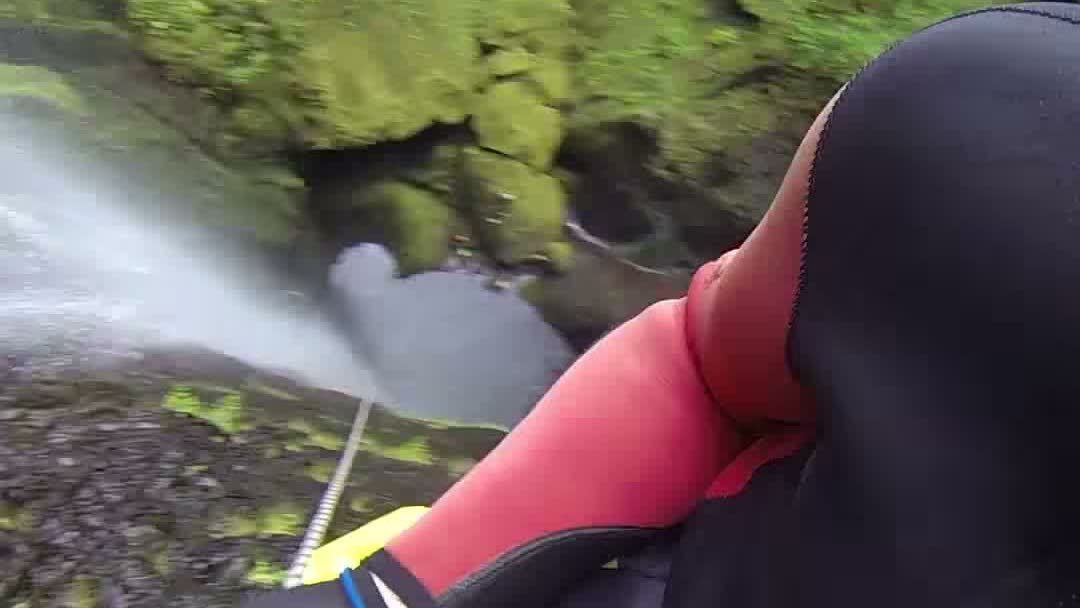
Canyoning
Guided descents of steep watercourses combining abseiling, scrambling and jumps, through laurel-lined ravines.
Heavy rain anywhere upstream on the plateau raises water levels fast, and operators cancel on that basis. A cancelled descent is a sign of a competent operator, not a wasted day, and these ravines are never a place to go independently.
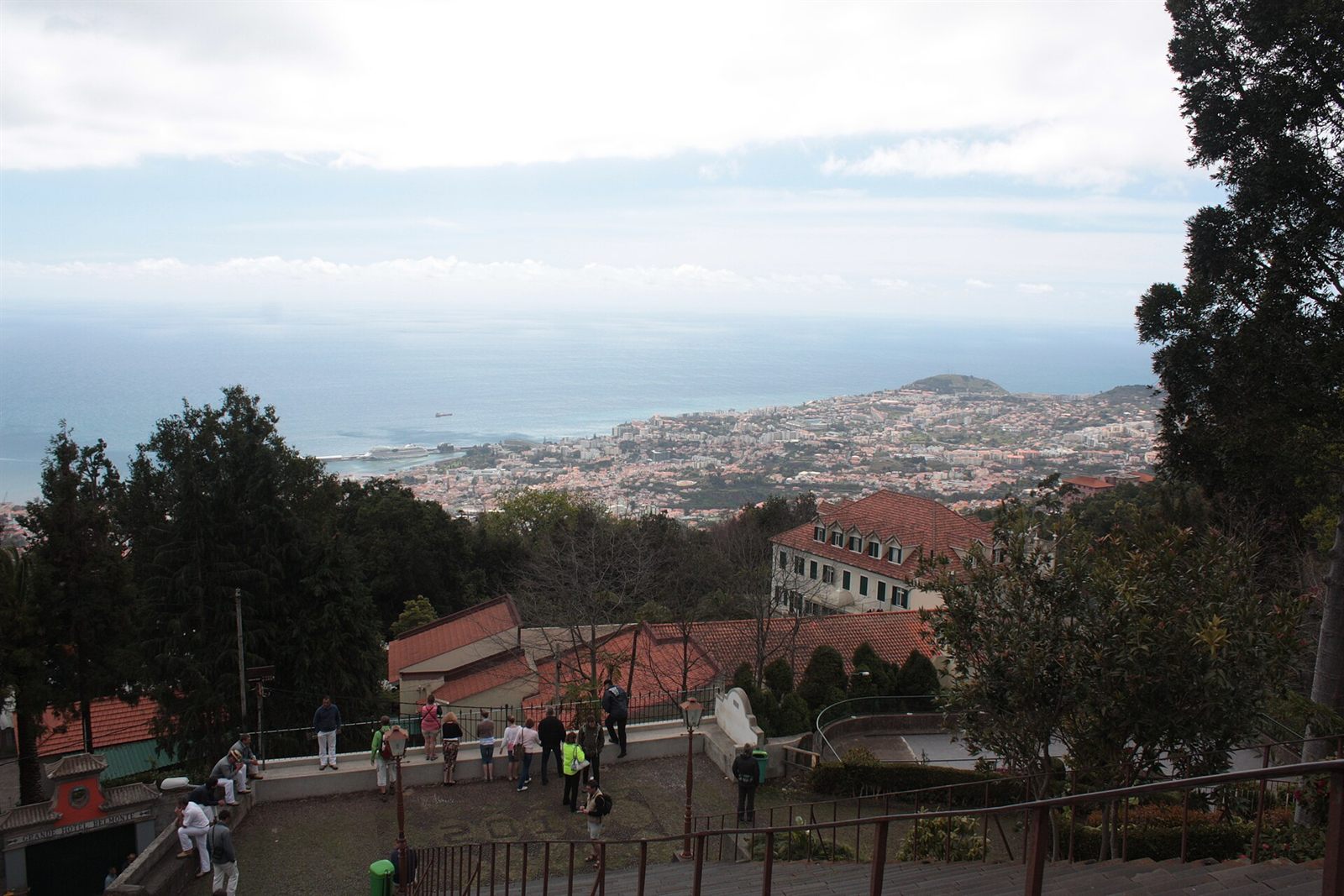
Teleférico do Funchal
A cable car climbing from the Funchal seafront to Monte, over the rooftops and gardens of the city.
The classic combination is cable car up and toboggan down, and the toboggan does not run on Sundays. A Sunday trip up means buying a return, or finding a bus or taxi back. A separate cable car runs between Monte and the Botanical Garden, and it is a different ticket.
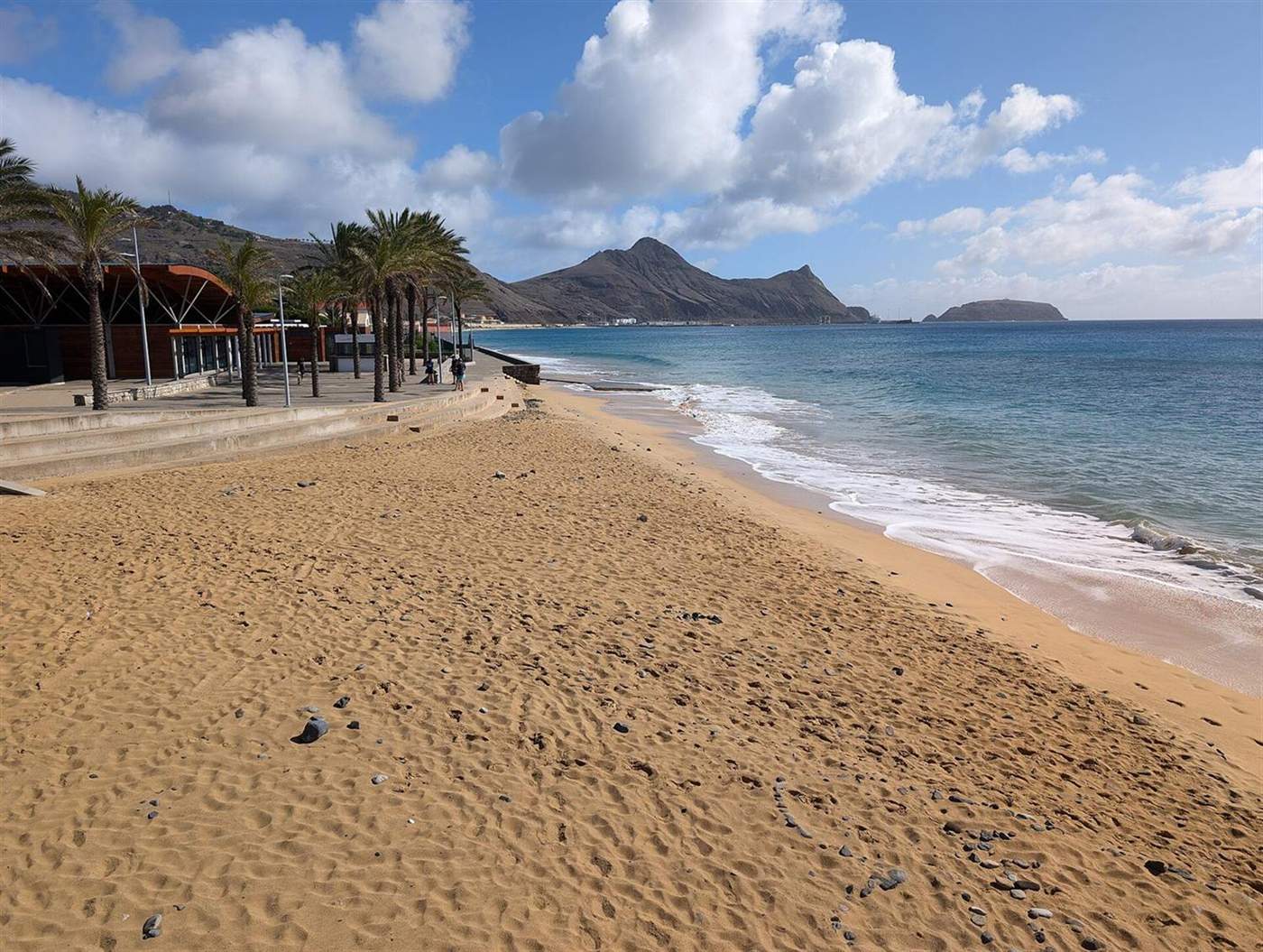
Porto Santo one-day cruise
A packaged return sailing from Funchal to Porto Santo, leaving in the morning and returning at the end of the day.
The advertised fares are the operator’s lowest, not a fixed rate. Time ashore is decided by the return sailing rather than by you, and Porto Santo deserves longer than that allows. Sailings are re-timed or cancelled in heavy seas.
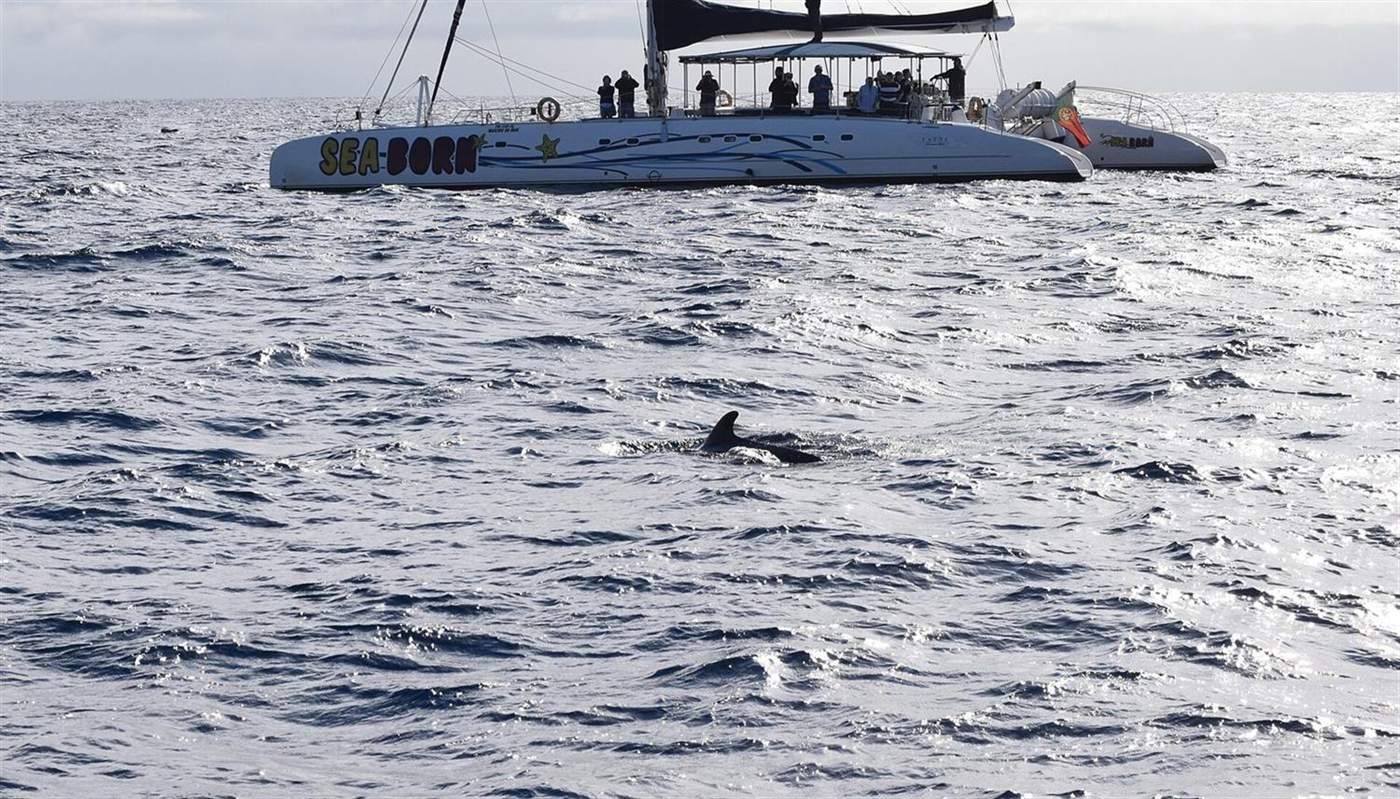
Whale and dolphin watching
Boat trips into deep water close to shore, where the tourism board lists several dolphin and whale species as regularly seen.
Sightings are never guaranteed, and the Atlantic swell off Madeira makes seasickness common enough to plan for rather than hope against. Precautions have to be taken before boarding, and there is no chance to take them once the boat has left.
Gardens
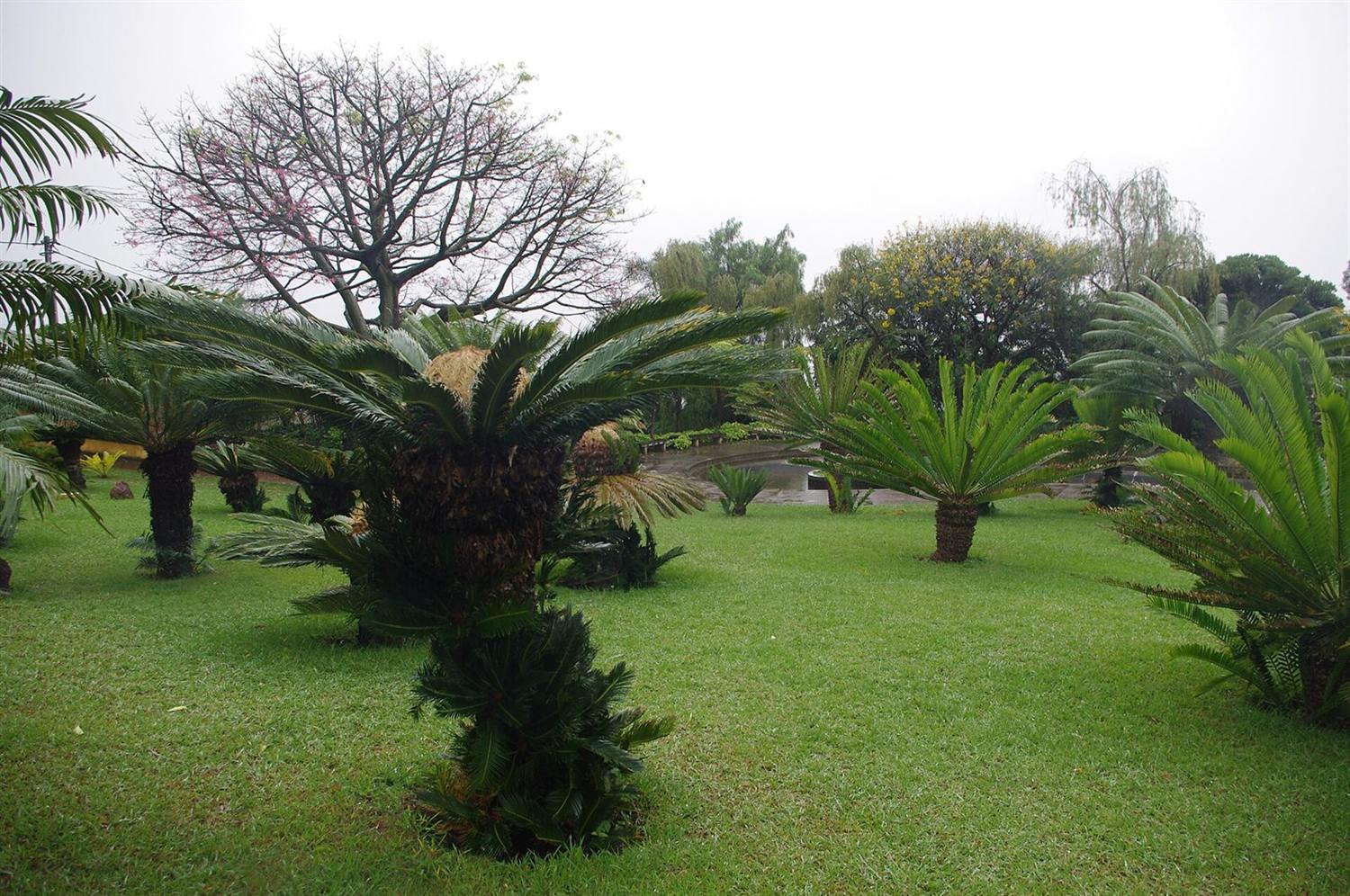
Jardim Botânico da Madeira
The regional botanical garden run by IFCN, holding the island’s reference collections of Madeiran and exotic flora.
The entry price rose on 1 January 2026, so any figure from before that date is out of date and much too low. Dogs other than guide dogs are not allowed, and neither are bicycles or ball games, which rules the garden out as somewhere to let children run.
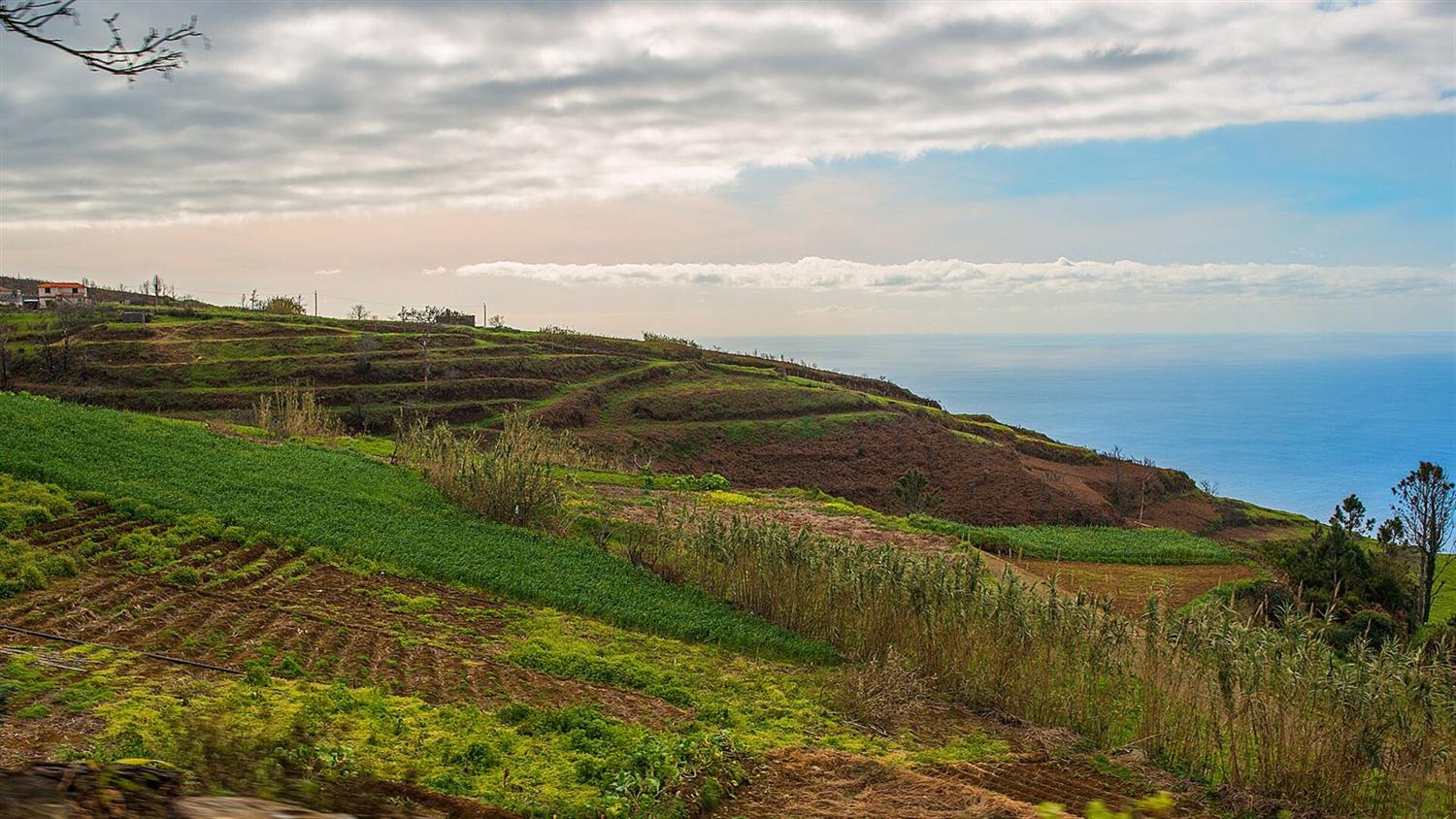
Monte Palace Madeira
A hillside tropical garden above Funchal bay with a tile collection, Buddhist sculpture and centuries-old cycads.
The interior of the Palace building is not open to visitors, which surprises people who bought a ticket with the word Palace on it. The site is steep with a great many steps, and it is not a garden that can be walked round quickly or comfortably by everybody.
Parque Florestal das Queimadas
A forest park in the laurisilva above Santana, with a thatched shelter and the trailhead for PR9.
The car park is small and it serves the most popular long levada on the island, so it fills early and the overflow is on a narrow road. Arriving mid-morning in summer usually means parking somewhere that was not designed for it.
Sea pools, beaches and the water
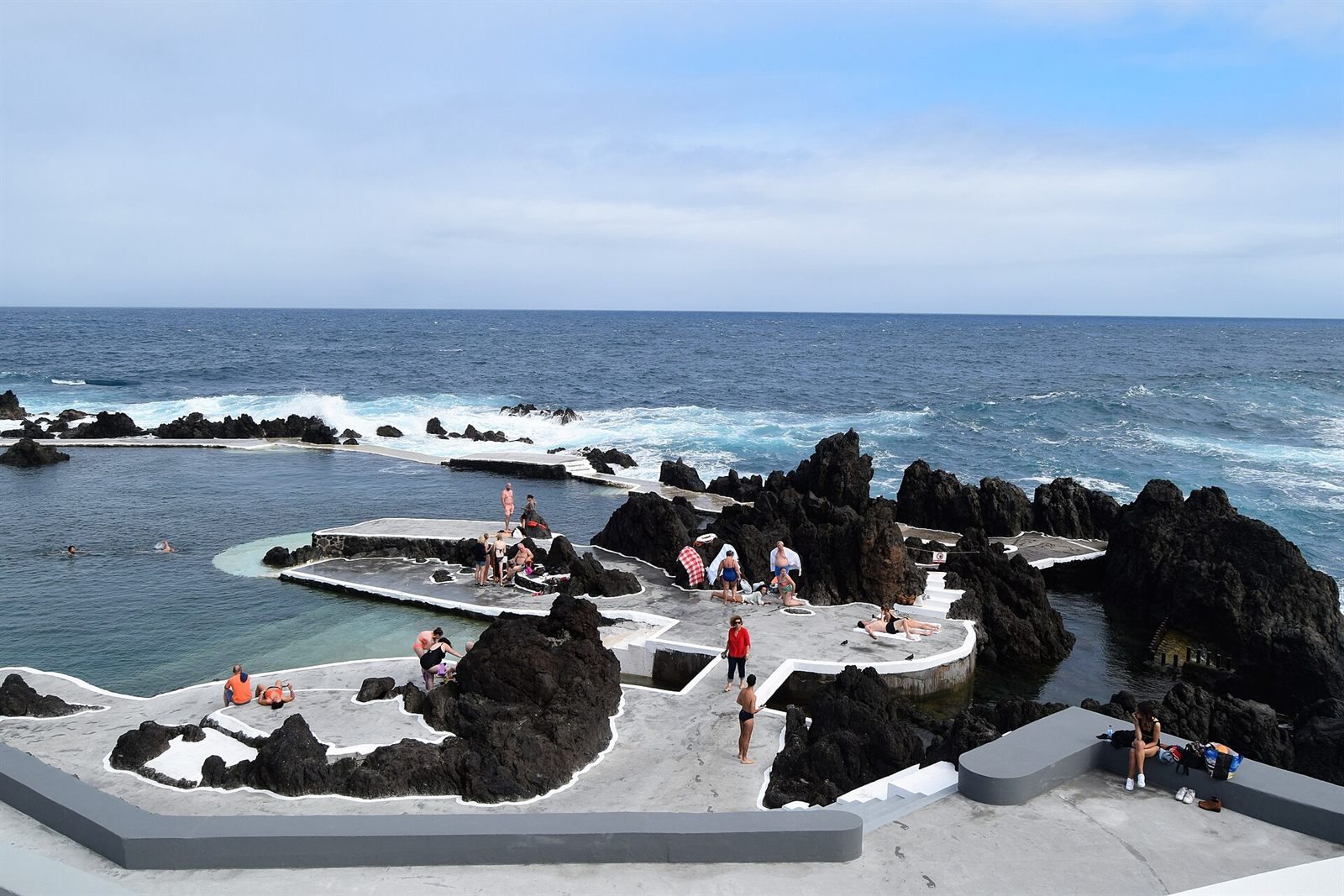
Piscinas Naturais do Porto Moniz
A managed bathing complex built into volcanic rock formations where seawater flows continuously through the pools.
This is the ticketed, lifeguarded complex with changing rooms, a bar and a first-aid post, not a wild swim. The nearby Cachalote pools beside the restaurant of the same name are free, which the ticketed complex does not advertise. Both are exposed to Atlantic swell and the sea closes them on rough days.
Praia do Porto Santo
A single continuous golden sand beach along the south side of Porto Santo, with calm, clear water.
Porto Santo is a separate island, so this is a day trip at minimum and it works far better as an overnight. There is almost no natural shade along the whole strip, and a day cruise fixes how long you can stay by the time of the return sailing.
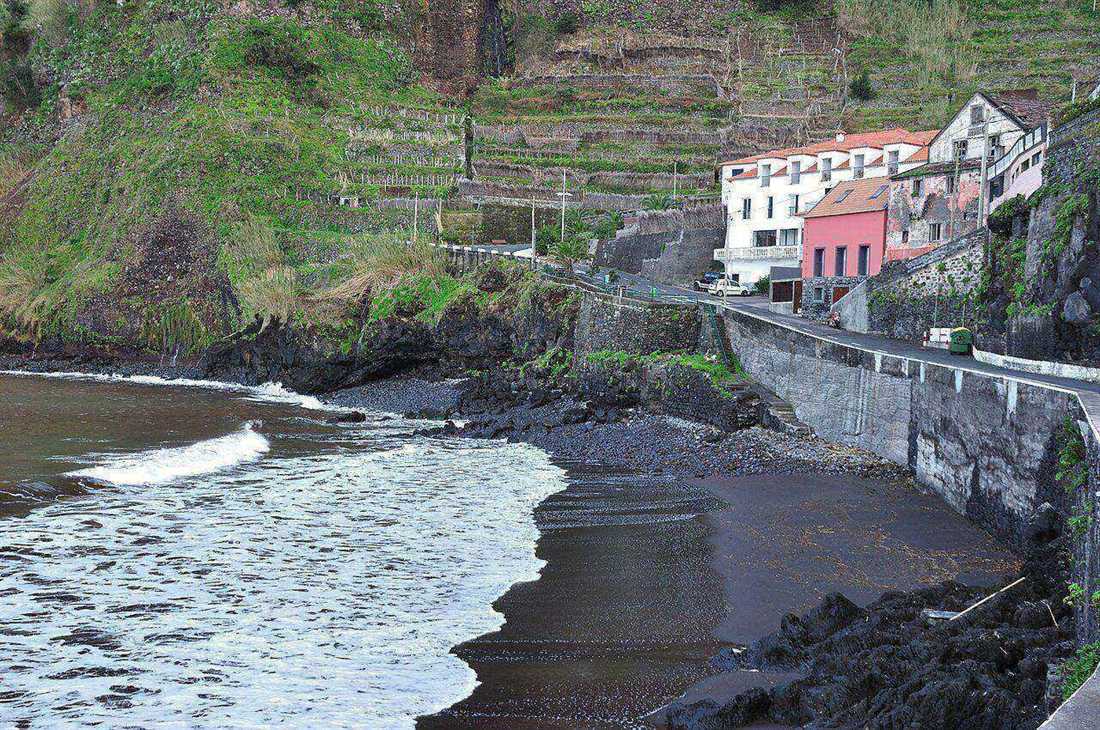
Praia do Seixal
A black volcanic sand beach on the north coast, enclosed by cliffs and green mountains in a natural amphitheatre.
It is popular year round for bodyboarding, canoeing and stand-up paddle, which is a polite way of saying the swell here is substantial. A beach that surfers like is not automatically a beach for a casual swim.
Poças das Lesmas, Seixal
Volcanic rock pools near Laje beach where dark basalt formations hold turquoise Atlantic water.
The official tourism board page carries an unusually direct warning: large waves arrive suddenly and unpredictably here. That is not boilerplate, and the exposed edges of the rock platform are where it applies.
Walks and levadas
PR1.1 Vereda da Ilha
The long descent north from Pico Ruivo to the hamlet of Ilha, out of the high heath into the north-coast valleys.
A descent of more than a kilometre in vertical terms, almost all of it downhill, which is hard on knees and gives nothing back. It finishes in a hamlet nowhere near where anyone parks, so the pick-up has to be arranged before the walk starts.
PR1.2 Vereda do Pico Ruivo
The short, direct approach to Pico Ruivo from the road end at Achada do Teixeira.
This is by far the easiest way to stand on the highest point in the archipelago, which is exactly why it is busy. The path runs above the treeline the whole way with no shelter, and cold, wind and cloud arrive fast while Funchal stays warm.
PR1 Vereda do Areeiro
The high ridge walk between the three highest peaks on Madeira, through tunnels cut into volcanic tuff and along carved staircases.
One way beyond Miradouro da Pedra Rija. From that point there is no turning back, the exit is at Pico Ruivo on the Santana side, and IFCN explicitly provides no return transport to Pico do Areeiro. The east branch via Pico das Torres is closed. Long staircases and severe exposure make it unsuitable for anyone with vertigo.
PR10 Levada do Furado
A one-way levada walk through dense laurel forest from the trout farm at Ribeiro Frio across to Portela.
It finishes at Portela, a long drive by road from the car at Ribeiro Frio, so it needs two vehicles, a bus or a booked taxi. Sections of the path are narrow with sheer unfenced drops, and the forest that makes it beautiful also means it is wet underfoot for much of the year.
PR11 Vereda dos Balcões
A short, almost level levada walk through laurel forest to the Balcões balcony viewpoint over the Ribeira da Metade valley.
The best effort-to-view ratio on the island, which is exactly why it is busy. The view of Pico do Areeiro, Pico das Torres and Pico Ruivo that the viewpoint is named for only exists on a clear day; in cloud the balcony looks out at grey. The chaffinches here are habituated to being fed, and feeding them is not a kindness.
PR13 Vereda do Fanal
A high plateau walk from Paúl da Serra down to the Fanal forestry station and its stand of ancient, wind-sculpted til laurel trees.
The famous version of Fanal depends on fog. Fog also means nothing else is visible, and the plateau road on ER 209 is genuinely dangerous in it. Clear weather gives a pleasant walk to a field of old trees, which is not what anyone came for. It is also point to point, so transport has to be arranged at both ends.
PR14 Levada dos Cedros
A levada walk descending from Fanal through dense laurel forest to Curral Falso.
Point to point on the same road as PR13, and frequently muddy. The forest that makes it worth walking is the reason the ground never fully dries out, and boots that were fine on a levada in the south will not be fine here.
PR17 Caminho do Pináculo e Folhadal
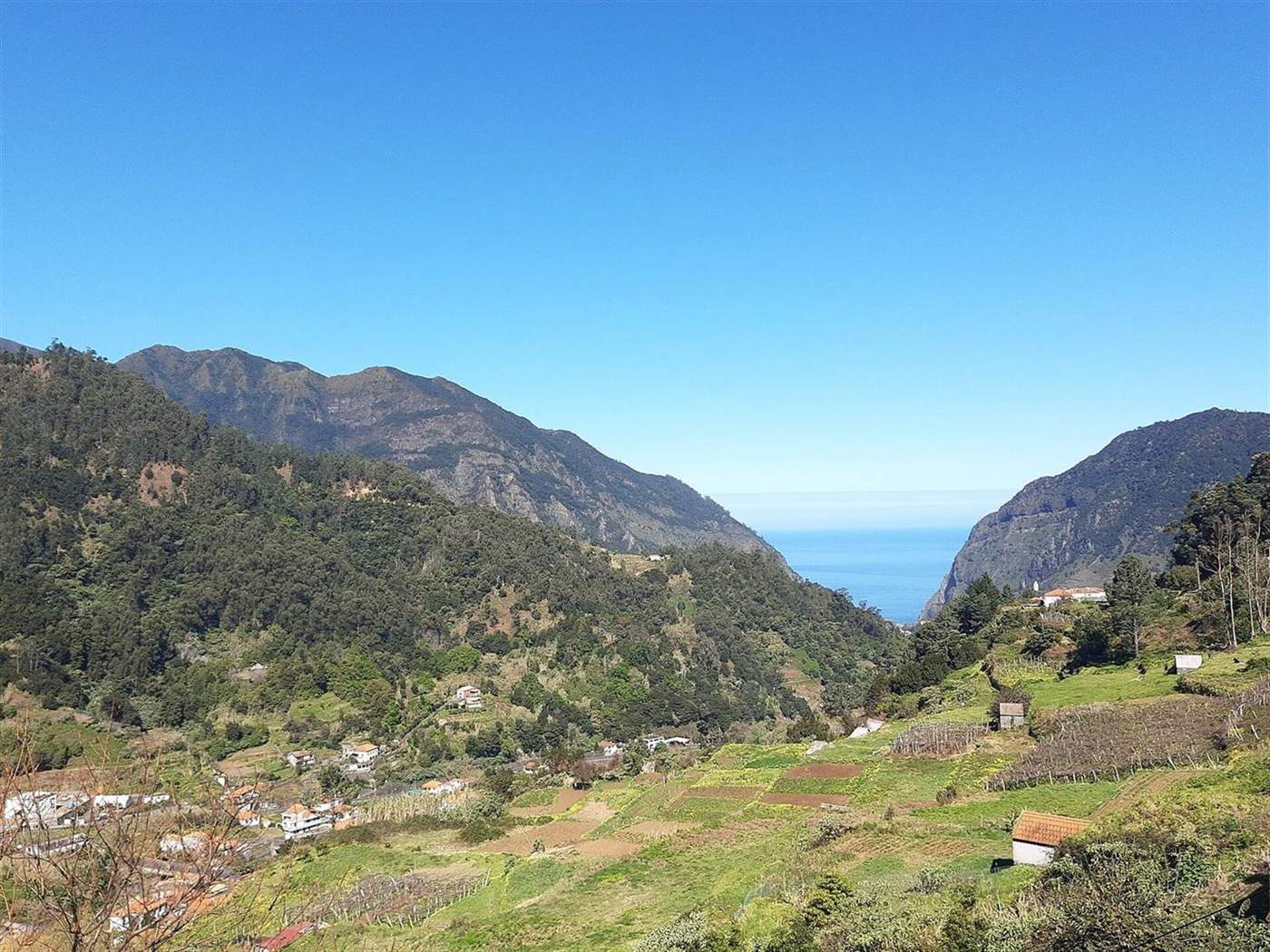
The longest and hardest classified route here, crossing the high ground between Lombo do Mouro and Encumeada by way of Caramujo and Folhadal.
The IFCN register lists it as passable only between Encumeada, Folhadal, Caramujo and Bica da Cana, so the full length may not be walkable on any given date. It is also the only route here graded Difficult, the tunnels need a torch, and the high ground has no bail-out points.
PR18 Levada do Rei
A north-coast levada walk from São Jorge into a steep laurel forest valley ending at Ribeiro Bonito.
The trailhead is the São Jorge wastewater treatment plant, which is a great deal less scenic than the walk that follows. The channel path is narrow with exposed sections, and the return is the same way back.
PR2 Vereda do Urzal
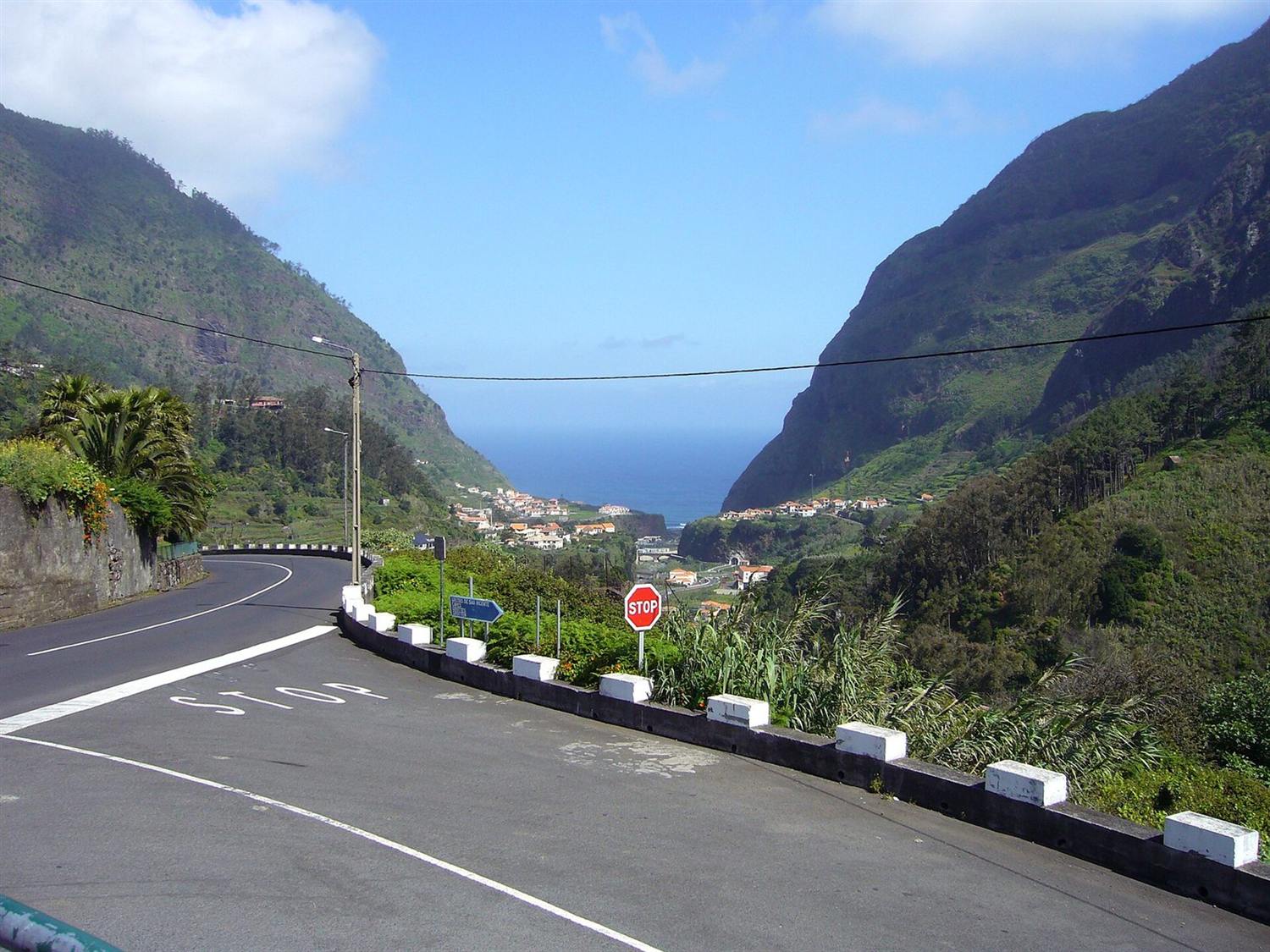
A long crossing from the enclosed valley of Curral das Freiras over high ground and down to the north coast.
A long climb followed by a long descent, point to point across the island’s spine, which makes transport at both ends a planning problem rather than a detail. The two official sources also publish slightly different lengths for it.
PR5 Vereda das Funduras
A quiet eastern forest walk from the Portela viewpoint through the Funduras laurel forest down to Maroços.
One of the least crowded classified routes on Madeira, and the trade is that the scenery is less dramatic than the trails everyone queues for. It is also point to point with a long descent, so it finishes well away from the car.
PR6.1 Levada do Risco
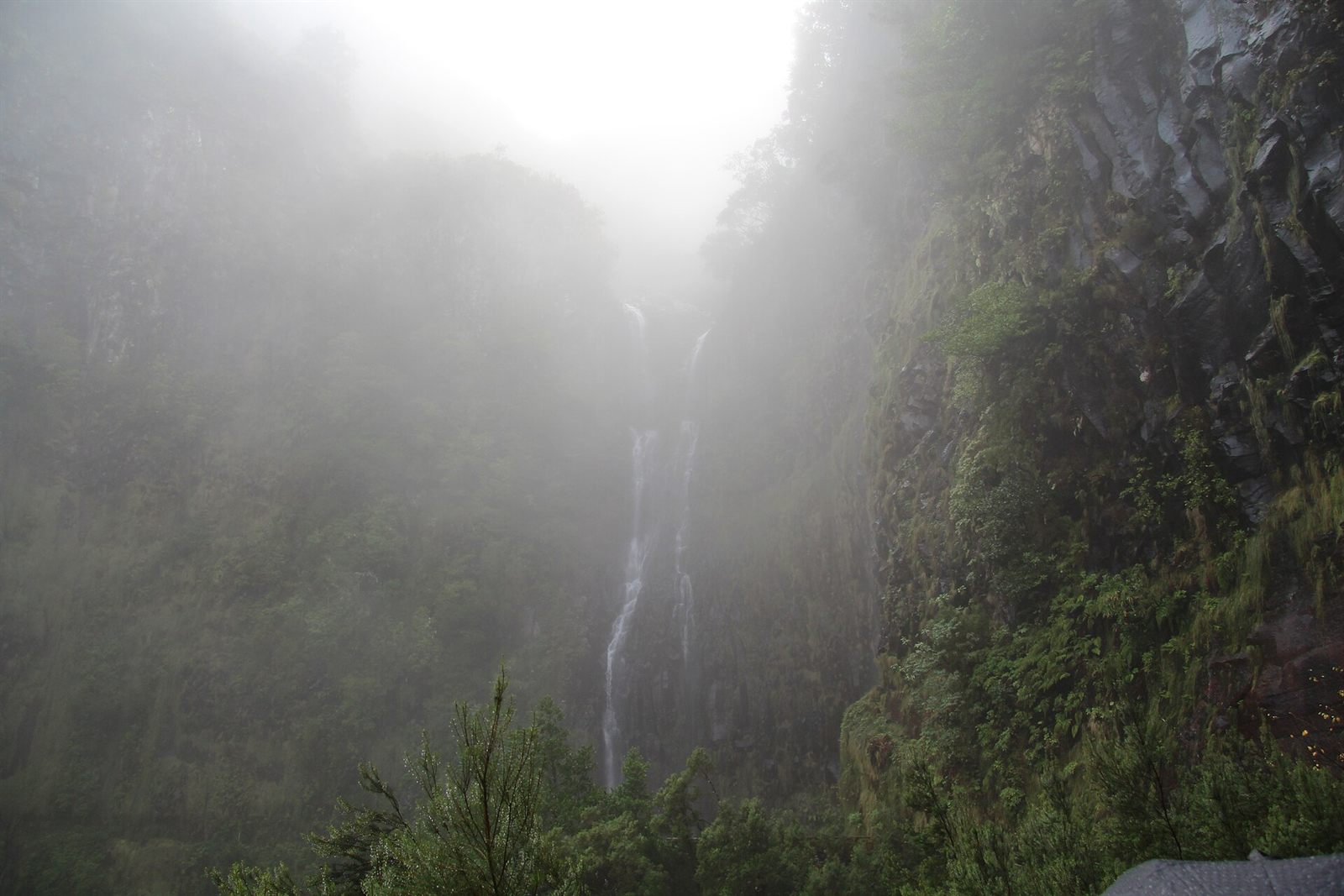
A short, level levada walk from the Rabaçal trailhead to the Risco waterfall viewpoint.
Two official sources give different lengths for the same path, so treat the distance as approximate. It shares a car park with the busiest trail on the island, which fills early, and the waterfall is thin in a dry summer.
PR6.3 Vereda da Lagoa do Vento
A short spur off the Rabaçal trail network descending to the Lagoa do Vento waterfall and pool.
Graded Easy, but it is a there-and-back descent, which means the second half is a climb at the end of a day that usually already included PR6. People who read the grading and not the profile find that out at the bottom.
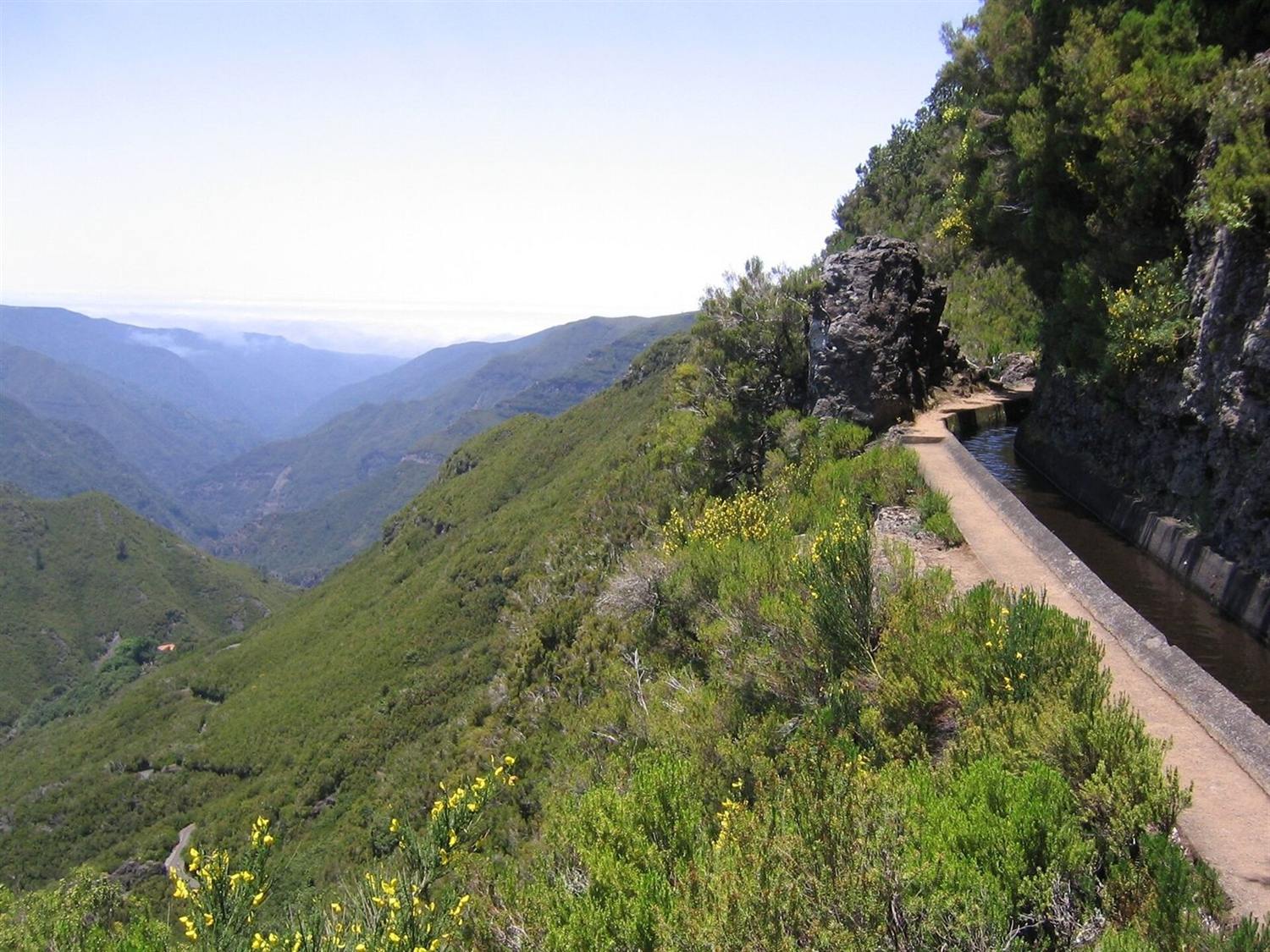
PR6 Levada das 25 Fontes
A levada walk through laurel forest to a lagoon fed by twenty-five separate springs emerging from the plateau.
The single most crowded trail on the island. The channel-side path is narrow with unprotected drops in places, and on a busy slot the experience is largely of standing aside for people coming the other way. The one-way loop was introduced to manage exactly that.
PR8 Vereda da Ponta de São Lourenço
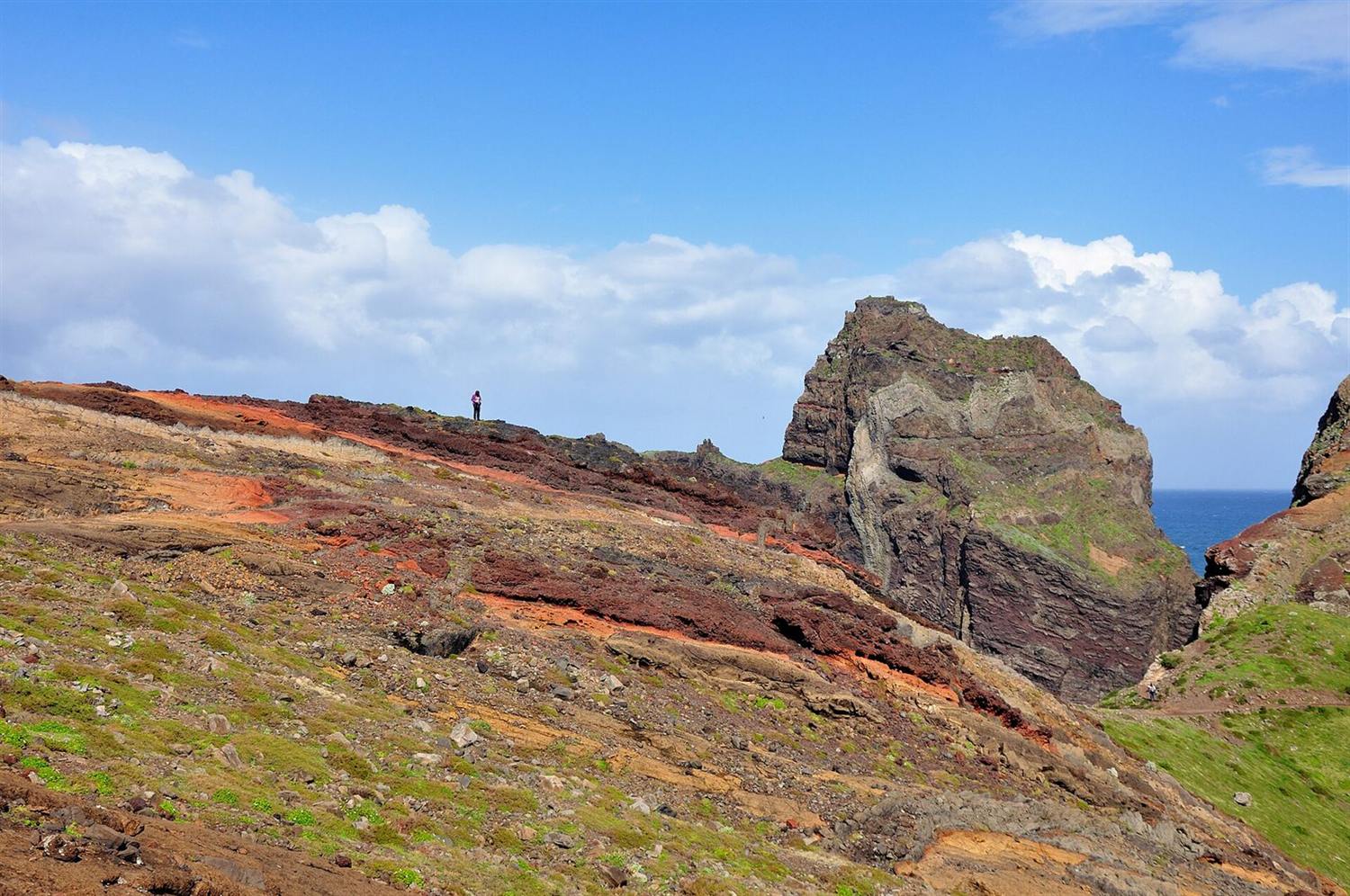
A walk along the treeless eastern volcanic peninsula, with the north and south coasts visible at once from a narrow spine of red and ochre rock.
There is no shade and there are no trees anywhere on the peninsula. This is the hottest, most exposed walk on the island and it is relentlessly windy, which is the only thing making the heat bearable. The two official sources also disagree on how long it is.
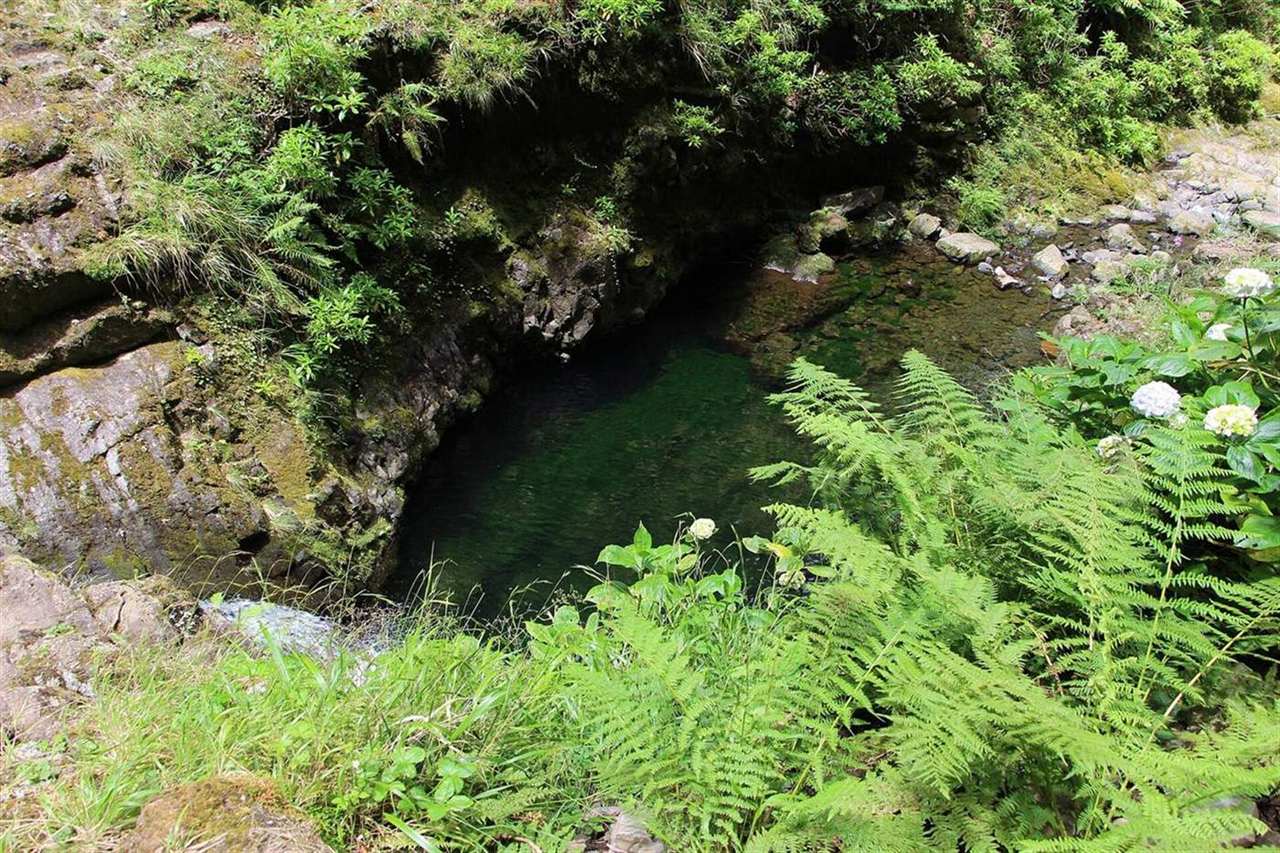
PR9.1 Levada do Caldeirão Verde, adapted route
An adapted section of the Caldeirão Verde levada between Queimadas and Pico das Pedras, designed for visitors with reduced mobility.
IFCN publishes a single trail tariff and does not itemise the adapted routes separately, so the fee treatment here is inferred from the register rather than stated. The official trail page also omits the difficulty grading and the walking time. Confirm both on SIMplifica before travelling.
PR9 Levada do Caldeirão Verde
A long levada walk from Queimadas Forest Park through UNESCO-listed laurel forest and rock tunnels to the Caldeirão Verde amphitheatre.
Graded Moderate, but the full out-and-back to Caldeirão do Inferno is a serious day, and Caldeirão Verde is a natural place to turn round. The tunnels are unlit and dripping, the channel edge is exposed in several places, and the car park at Queimadas is small enough to fill early.